Reports & Resources
Frameworks, field guides, and reference material to help security leaders govern the AI agents and MCPs already running across their endpoints.
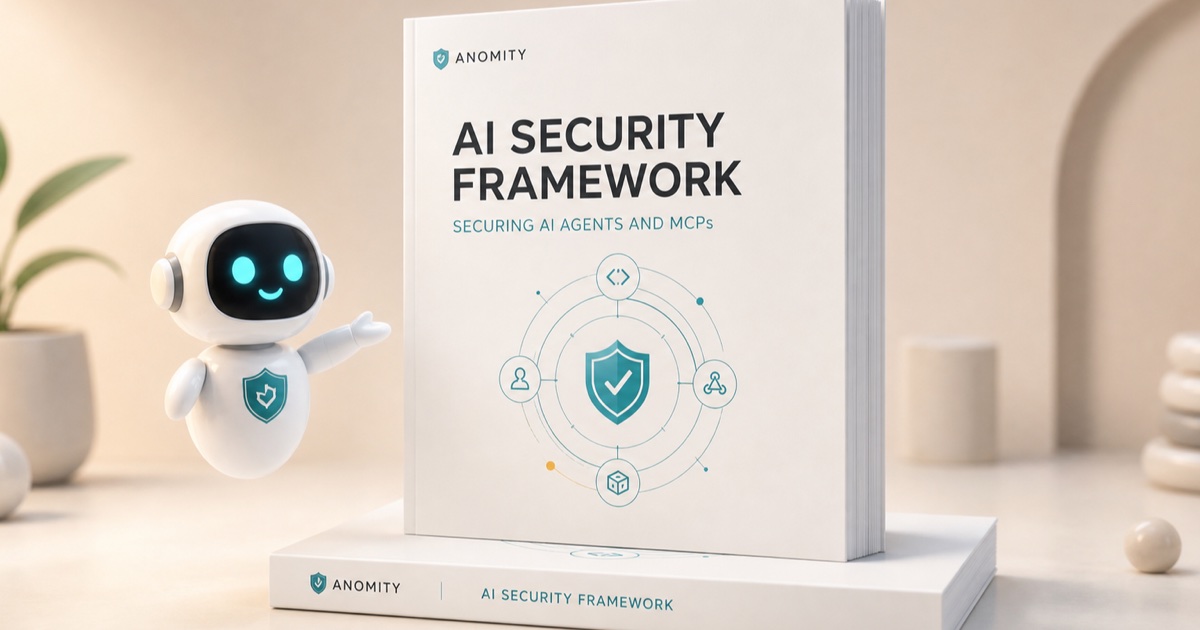
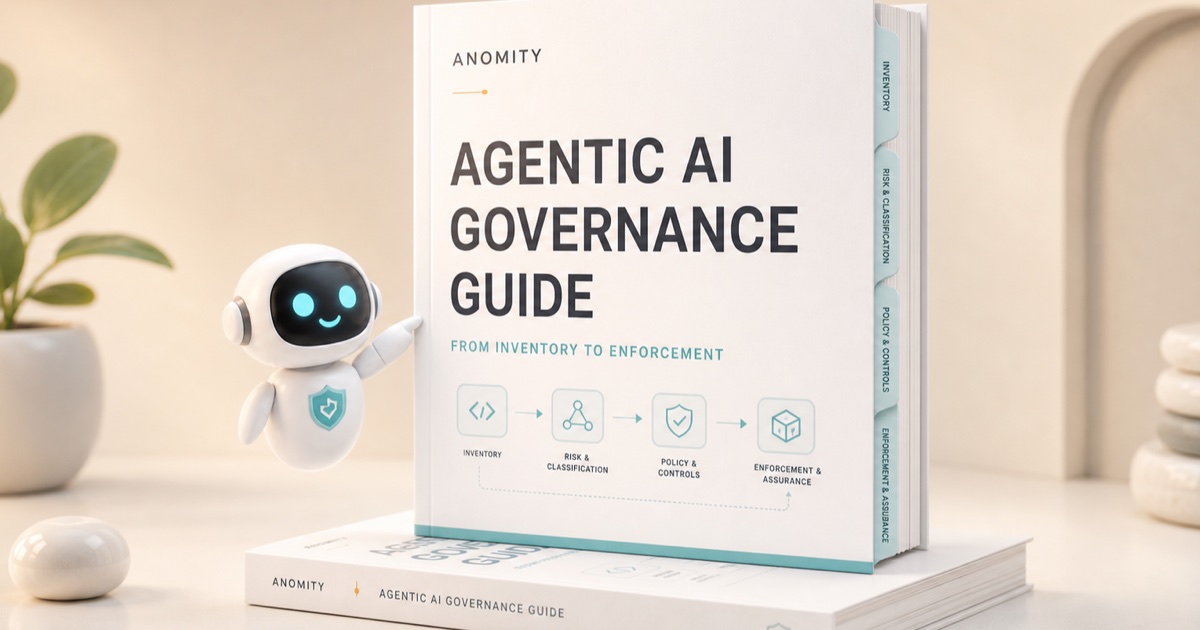
What you'll find here
AI agents and MCPs have spread across endpoints faster than most security programs can track them. This library exists to close that gap with practical, vendor-honest material you can act on, whether or not you ever deploy Anomity.
Every resource starts from the same principle: you can't govern what you can't see. We focus on what teams actually need first, including how to inventory the eight artifact types we see in the wild, how to classify them by trust and capability, and how to turn that visibility into enforceable policy.
- Discovery frameworks for AI agents, MCP servers, extensions, skills, plugins, secrets, hooks, and CLIs
- Trust and capability classification methods (official, community, unknown; filesystem, shell, network, credentials)
- Detecting dangerous capability combinations before they become incidents
Built for security leaders
These guides are written for CISOs, security engineers, and the teams responsible for the AI layer that now sits on every developer and employee machine. The tone is peer-to-peer and concrete, with no fabricated benchmarks and no promises that AI governance is simple.
We map our guidance to the controls you already run. Agentic endpoint visibility complements your network gateway, EDR/XDR, DLP, and GRC tooling rather than replacing it, and the resources here show where that layer fits, what an audit trail of artifact changes should capture, and how to route violations to SIEM, Slack, email, or Jira.
- Governance playbooks: approved-MCP lists, blocking blanket Bash and Write grants, eliminating plaintext secrets
- Audit and compliance references, including what a 90-day change trail should record
- How agentic endpoint security complements your existing stack